


Live TV shows were never supposed to survive this long. Once streaming services took over, most people assumed live television would slowly fade out. That prediction missed the mark. Live TV did not disappear. It adjusted.
Today, live TV shows still pull massive audiences, especially during sports, news coverage, and reality competitions. The reason is simple. Live content gives people something recorded shows cannot. It feels real. It happens once. And when it is over, the moment is gone.
This article breaks down why live TV still matters, how big data analytics supports it, and why audience engagement keeps it alive even in a streaming-first world.
Live TV shows work because they create urgency. You either watch it as it happens or you miss the experience. That feeling alone keeps people tuning in.
Some clear reasons live formats still succeed:
A live sports match, election coverage, or reality show finale does not need hype. The event itself creates attention. People watch not just for content, but for the moment.
This is where television trends often get misunderstood. Viewers did not stop caring about live events. They just stopped watching filler programming.
You may also like: Festival News & What To Expect From Star-Studded Events
Big data analytics quietly reshaped live television. It did not change what viewers want, but it changed how networks understand them.
In the past, success meant ratings the next morning. Now it means knowing exactly when viewers tuned in, left, or reacted.
Big data analytics helps answer practical questions:
This data influences everything. Segment length. Ad placement. On air pacing. Even the order of content during a live broadcast.
Live TV shows are no longer built on instinct alone. Data fills the gaps where guesswork used to sit.
Live streaming TV did not replace live television. It expanded it.
Viewers can now watch live events on phones, tablets, or smart TVs. That flexibility matters. Especially for people who do not sit in front of a television anymore.
Live streaming TV works because it combines two things:
This is why streaming services are investing heavily in live programming. Sports, award shows, news coverage, and reality formats perform better when watched live.
Live streaming TV also feeds directly into big data analytics. Platforms collect detailed viewing behavior that helps improve future broadcasts.
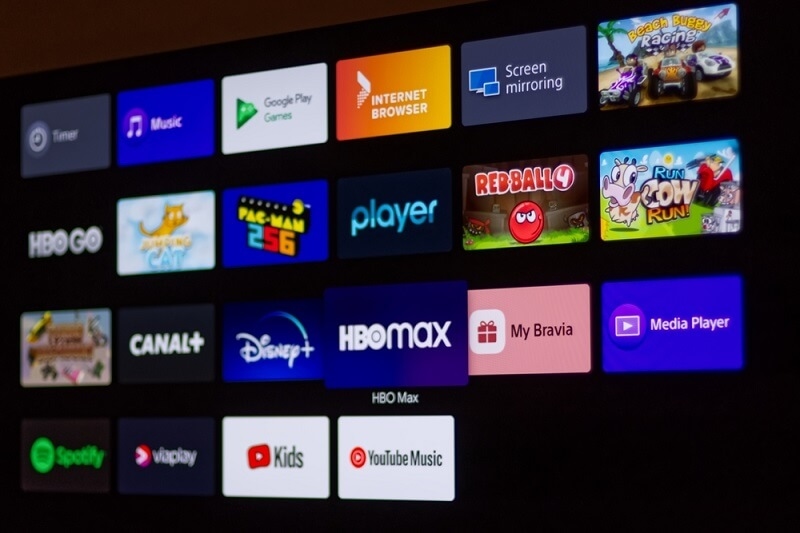
Streaming services started with on demand content. That model worked until growth slowed.
Live TV shows solve a major problem for streaming platforms. They bring people back at specific times. That matters for retention.
Streaming services use live content to:
Live events also encourage viewers to stay longer once the broadcast ends. Someone who tunes in for a live show often continues watching other content.
This is why streaming services are no longer avoiding live television. They are building around it.
Explore More: New Entertainment Apps Changing How We Stream & Enjoy Media
Several television trends explain why live formats keep adapting instead of fading.
Live broadcasts now air across cable, apps, and streaming platforms at the same time.
Live voting, polls, and viewer input increase audience engagement during broadcasts.
Data shows people lose focus quickly. Live TV shows now use tighter segments and clearer pacing.
Many viewers watch live TV while scrolling on their phones. Producers design moments meant to spark online reactions.
These television trends are not about changing live TV. They are about meeting viewers where they already are.
Audience engagement is the reason live TV shows still matter.
Watching live content feels different. Viewers react in real time. They talk about it while it is happening. They feel involved instead of passive.
Audience engagement shows up in different ways:
Big data analytics tracks this engagement more accurately than traditional ratings ever could. It measures behavior, not just presence.
When viewers feel involved, they stay longer and return more often.
Think about a live sports final. People watch because there are no spoilers. Advertisers pay more. Social media lights up. Engagement peaks during critical moments.
Now think about a live reality show. Voting makes viewers feel responsible for the outcome. That participation drives loyalty.
These are simple examples, but they explain why live TV shows still outperform many recorded formats when it comes to audience engagement.
Live content is not easy to produce.
Big data analytics helps manage these challenges, but it does not remove them. Live television requires planning, infrastructure, and a deep understanding of viewer behavior.
Live TV shows are not dying. They are becoming more focused.
Expect to see:
Live streaming TV will continue growing as technology improves. Television trends will keep pushing live formats toward interaction. Audience engagement will remain the deciding factor.
Don’t Miss: Top Celebrity Charity Events Highlighting Stars Giving Back
Live TV shows still work because they do what recorded content cannot. They create shared moments that happen once and matter in real time.
Big data analytics made live television smarter. Live streaming TV made it easier to access. Streaming services turned it into a retention tool. Television trends pushed it toward interaction. Audience engagement keeps it relevant.
Live television survived because it adapted, not because it refused to change.
Live TV shows offer real time experiences that cannot be recreated later. The unpredictability and shared moment keep people watching.
Big data analytics tracks real viewer behavior, helping networks improve pacing, content structure, and engagement.
Live streaming TV increases engagement, creates appointment viewing, and helps streaming services retain subscribers.
This content was created by AI